
How Does an ALR Screen Work to Block Ambient Light?
-
作者 - 5 月 1, 2026

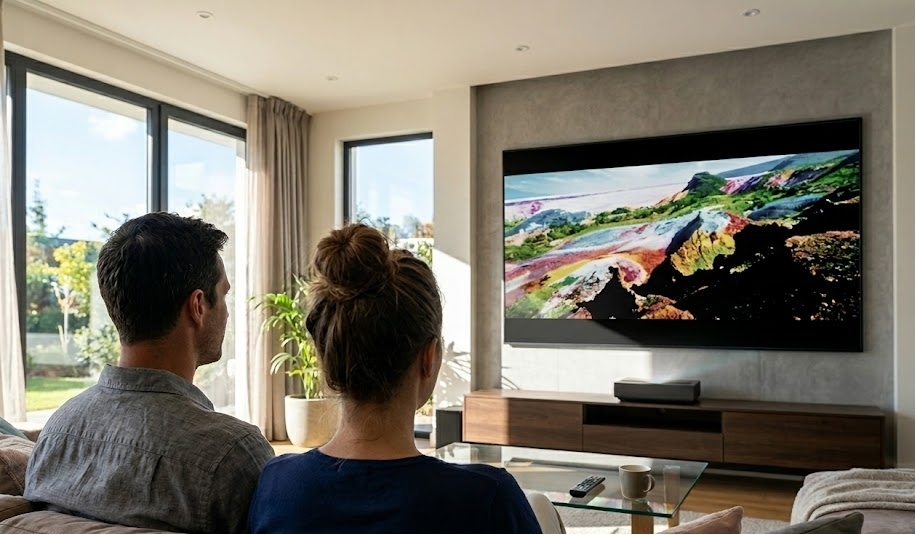
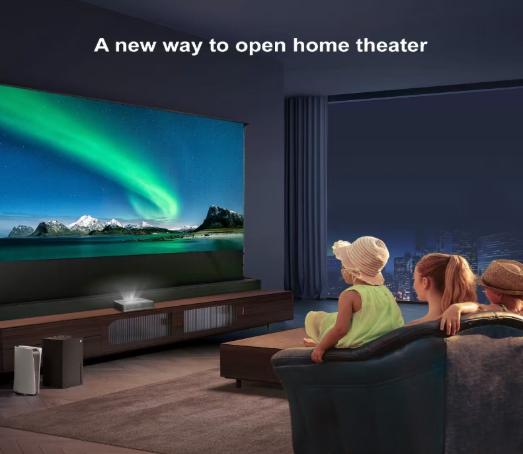
Home cinema has shifted from quiet, dark basements to lively, well-lit living rooms. This change demands better optical surface designs. For a long time, the main problem for good projection was light from the surroundings, such as sunlight through windows or lights from overhead fixtures. That light often made images on plain white surfaces look faded. Now, a new type of display tech has emerged, known as the ambient light rejection surface. Experts call it that. Anyone who loves home theaters or sets up systems for businesses needs to know how an alr screen functions. This knowledge helps keep images sharp and clear even in rooms with extra light.
What is ALR Screen Technology and Why Does It Matter?
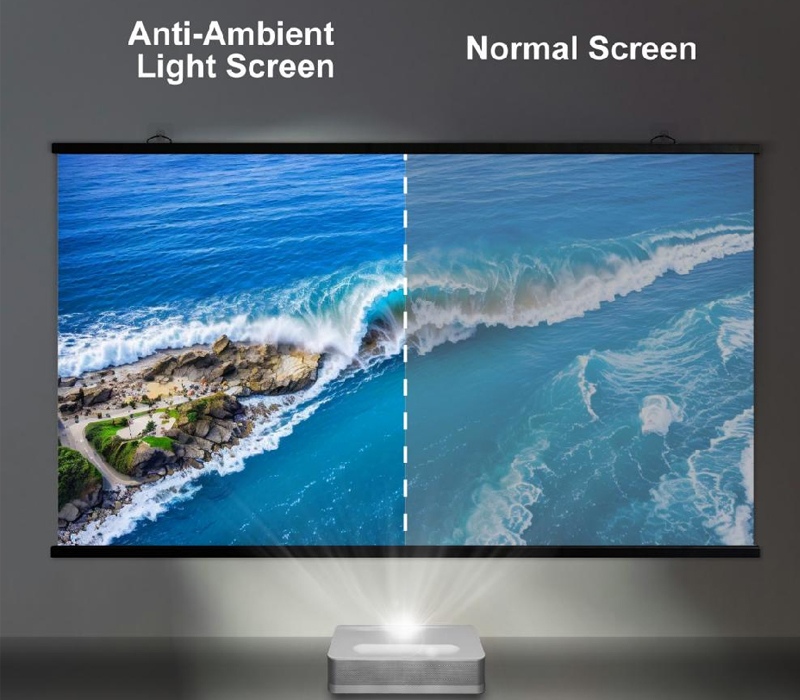
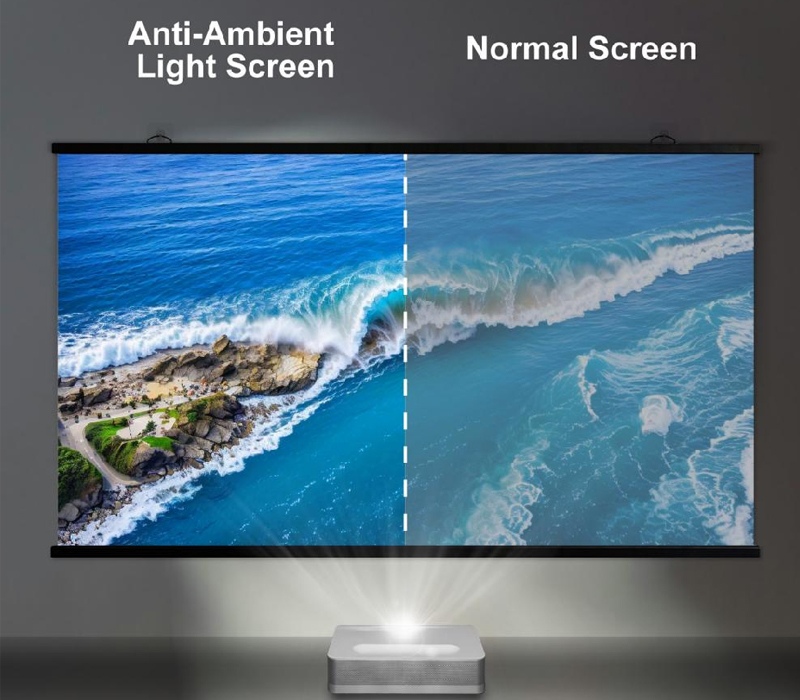
To understand the main purpose of this tech, start with the ALR screen meaning. A regular matte white screen spreads light evenly in every direction, following a Lambertian pattern. In contrast, an ALR surface acts as a carefully made optical filter. It reflects the projector’s light straight to the audience’s eyes. At the same time, it soaks up or redirects unwanted light from other directions.
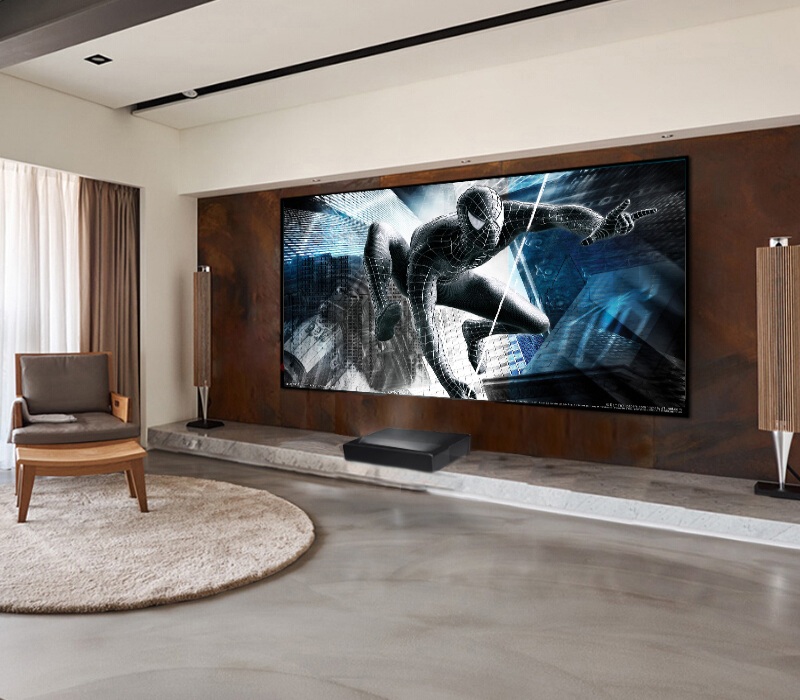
When people new to this ask what the ALR screen is, a basic answer works best. It is a layered tool that boosts contrast. In a room full of light, a normal screen bounces back all the light, both from the projector and the room. This creates a dull, washed-out picture with low contrast. An air screen changes that balance. It keeps black areas dark, even with lights on. As a result, you get a viewing experience like a TV, but on a bigger scale. Screens over 100 or 120 inches stay clear and vibrant, without the blurry effect of older systems.
How Does an ALR Screen Work to Reject Light?
The key to an alr screen’s performance comes from its build and materials, especially for specialized setups like an alr screen ultra short throw configuration.It uses ideas like directional reflection and built-in light barriers. The exact design depends on how far the projector is from the screen. This ensures proper light handling for different setups.
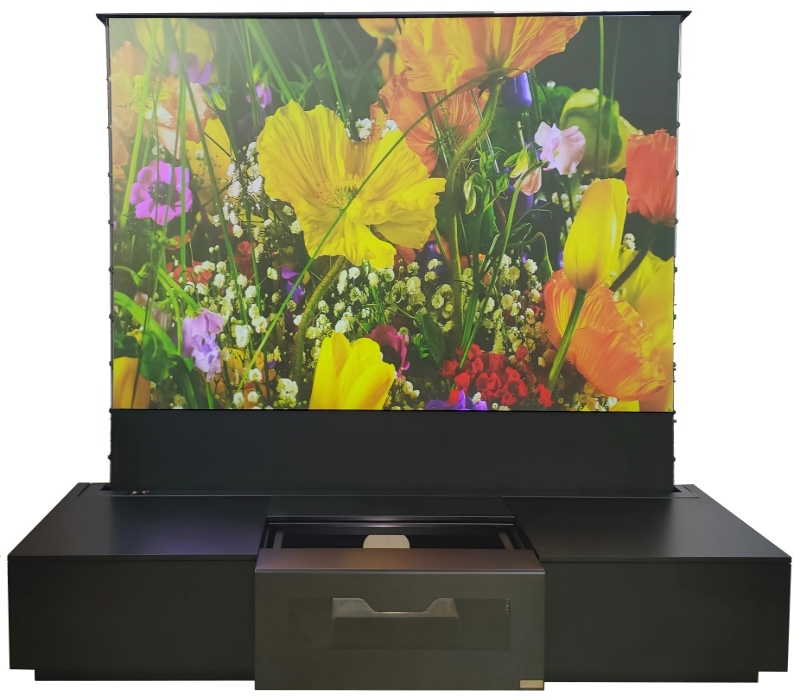
- Lenticular Sawtooth Structures: These appear most often in Ultra Short Throw (UST) setups. The screen has tiny horizontal ridges shaped like triangles. The upper part of each ridge has a dark coating that traps light from above, such as from ceiling lamps. The lower part reflects light from the projector, which sits right below the screen.
- Fresnel Optical Layers: These include ring-shaped grooves that work like a wide lens. They focus the projector’s light well into the main viewing area. Meanwhile, they push away light from above or the sides.
- Multi-Layer Nano-Coatings: Besides the main structure, the surface often has special particles for reflection. These improve color brightness and avoid the shiny spots that can happen on high-gain screens.
- Black Level Preservation: The screen uses a gray or black base instead of white. This provides a deeper starting point for dark scenes. Thus, movie shadows stay truly black, not just dark gray.
Why Should You Choose an ALR Screen Over a Standard White Screen?
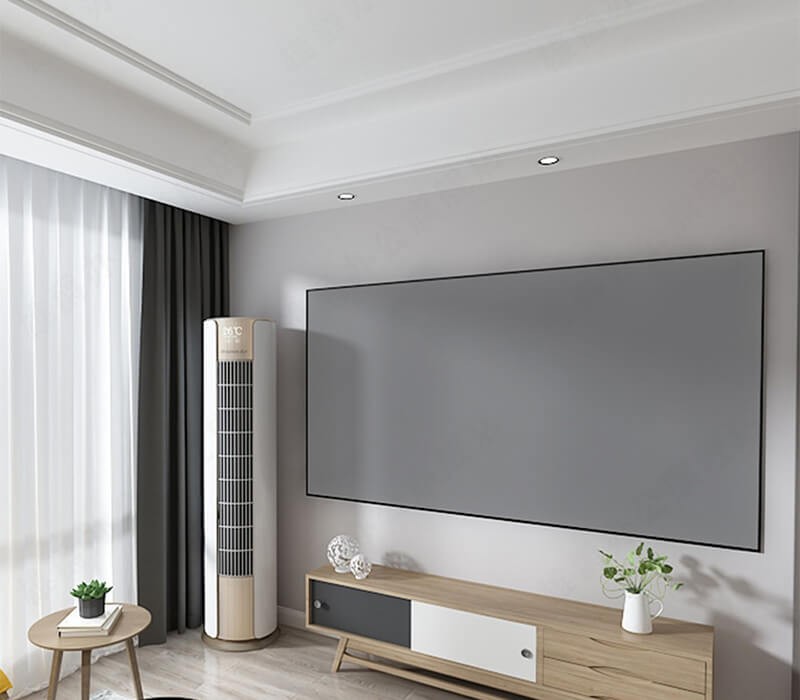
People often pick an alr screen based on the room’s setup. In spaces where you can dim the lights fully, a white screen performs well. But today’s homes have open layouts and big windows. In those cases, an ALR screen proves essential.
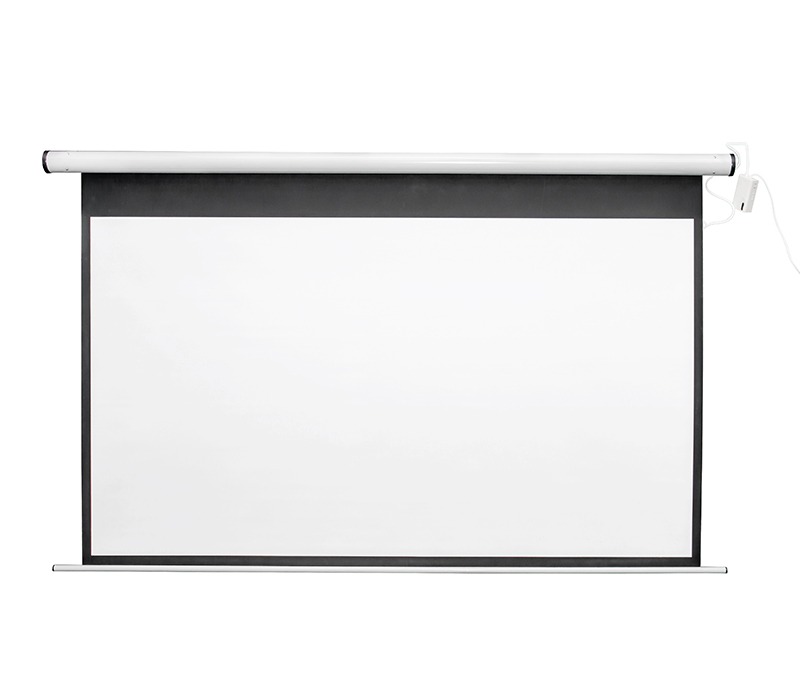
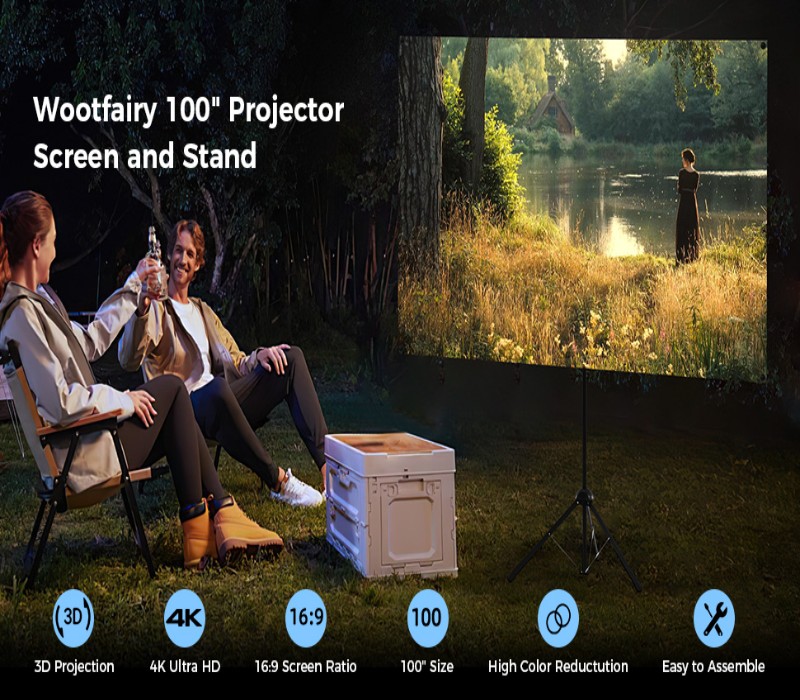
Aoxing brings almost 37 years of experience in the audio-visual field. The company offers various solutions, such as the easy-assembly frame screen, which has become a favorite as laser projectors grow popular in homes.The top benefits stand out clearly:
- Increased Perceived Contrast: It blocks up to 90% of ambient light. Because of this, the contrast ratio seems up to ten times better than on a standard screen in a lit space.
- Higher Color Accuracy: Room light can add unwanted tones, like a yellowish hue from bulbs. This might alter the film’s colors. ALR surfaces reduce that issue effectively.
- Daytime Usability: It makes a projector a strong option instead of a large LED TV. You can watch sports or play games in daylight without pulling all the shades.
Understanding Product Specifications and Optical Structures
Picking the best surface means pairing the material with your projector and room light levels. The table below breaks down common materials used in professional ALR production.
| 材料类型 | Optical Structure | Ambient Light Rejection Rate | Best Projector Match | 视角 |
| PET Crystal | Lenticular (Sawtooth) | 93% | Ultra Short Throw (UST) | 160° |
| Black Diamond | Retro-Reflective Coating | 85% | Long Throw / Standard | 140° |
| Fresnel Mirror | Concentric Circular | 98% | Ultra Short Throw (UST) | 120° |
| High Contrast Grey | Angular Reflective | 50% | Long Throw / Standard | 150° |
Each material fits a particular need. For example, the PET Crystal serves as the go-to choice for UST projectors. Its sawtooth design lines up to grab light from a sharp upward path. At the same time, it ignores light from straight overhead.
How to Choose the Right ALR Screen for Your Living Room?
Selecting an alr screen requires thought. You need to look at your room’s shape and your projector’s features.
- Evaluate Light Sources: If lights come from the ceiling, like built-in fixtures, pick a lenticular UST screen. For big windows on the sides, choose a material with a broad viewing range and good side-light blocking.
- Check Projector Throw: Match the screen to the projector type. A UST alr screen with a long-throw projector will show a dim or wrong image. The screen rejects light from angles not meant for it.
- Consider Screen Gain: This measures how much light the screen sends back. Most ALR screens have a gain of 0.6 to 0.8. The dark base takes in some light to make blacks deeper.
- Installation Height: ALR screens react to angles, so height matters a lot. If you mount it tilted or at the wrong level, the best reflection spot might skip the seating area.
Case Study: Reliability in Large Scale Integration
Special optical surfaces show their value in tough settings where light control stays limited. One big global project supplied gear to a key UN buying center. The goal was a display that kept text clear for important info in sunny, shared meeting rooms. Teams used high-rejection fixed frame surfaces. This choice avoided costly automated shades. The example shows the alr screen meaning goes further than fancy home setups. It serves as a practical aid for business talks and smooth operations.
结论
Learning to use an alr screen offers the best way to get top viewing in today’s bright homes. Moving from basic matte surfaces to detailed optical designs lets people enjoy big projections. The images stay sharp and deep, much like those on flat screens. This works for games, movies, or work meetings. Ambient light rejection tech marks the top of projection surface advances. It keeps your clear pictures free from room light interference.
常见问题解答
Q: What is an ALR screen, and can it be used in direct sunlight?
A: An alr screen is a special projection surface built to send projector light to viewers while taking in surrounding light. It handles ambient sources like lamps or window glow quite well. However, direct sunlight on the surface challenges any screen. For the best outcome, keep the screen away from straight-on rays from an uncovered south-facing window.
Q: Does every ALR screen work with every projector?
A: No, not at all. The alr screen meaning differs by projector style. For UST projectors, you need lenticular or Fresnel designs. Standard long-throw models call for angular-reflective or retro-reflective types. A mismatch leads to faint or twisted pictures.
Q: Why do alr screen materials look grey or black?
A: The dark base plays a big role in the screen’s function. Projectors can’t create true black; what you see in shadows comes from the screen’s own color. A darker layer allows for richer blacks compared to white screens, especially in rooms with light.
Q: Is an ALR screen worth the higher cost compared to white?
A: Yes, if your space has any ongoing light. A plain white screen drops contrast sharply in brightness, leaving images tough to view. An ALR surface holds onto quality, so your projector works well at any time of day.
Q: Can an ALR screen be cleaned like a regular screen?
A: Handle ALR surfaces with care because of their fine optical features. Stick to a soft, dry microfiber cloth or gentle air dusting. Steer clear of liquids or hard wipes, since harm to the ridges or coatings can spoil the light control forever.
Ready to turn your living room into a top-notch cinema space? Reach out to the surface specialists at Aoxing now. They can help find the ideal ALR option for your room and projector.
目录
近期文章
-
正确清洁白板对长期办公室生产力的影响4 月 23, 2026
-
东莞澳星AV设备亮相2026香港电子展(春季版)4 月 20, 2026
-
便携式教学白板如何提高课堂灵活性?4 月 16, 2026
常见问题
相关产品
您今天的正确选择,我们辉煌的明天!
X型三脚架投影屏幕
一键影院智能柜
便携式菲涅耳防光投影屏幕
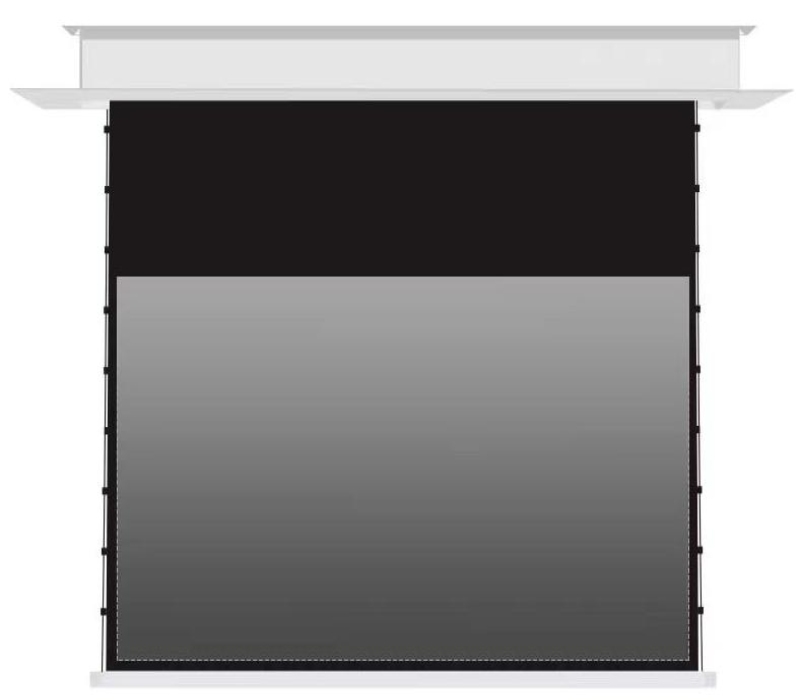
天花板吊牌张紧电动屏幕
联系我们
获取个性化的太阳能存储建议,以进行系统选择和节约。