

How to Test an ALR Screen Before Bulk Ordering
-
 auteur
 - octobre 7, 2026
A bulk order should begin with evidence from a realistic room, not a bright product photo. A good sample review shows whether the surface handles the light, projector angle, seating pattern, and repeated opening conditions your customers will actually face. The goal is simple: identify the screen behaviour that remains believable after the first installation.
A sample test needs a room, not a spec sheet
An ALR sample can look impressive in a dark meeting room and still disappoint where ceiling lamps, side windows, or pale walls add stray light. Build a small test scene that resembles the intended use: record the projector position, light sources, screen size, and the seats that matter. That record makes later comparisons repeatable across suppliers and product formats.
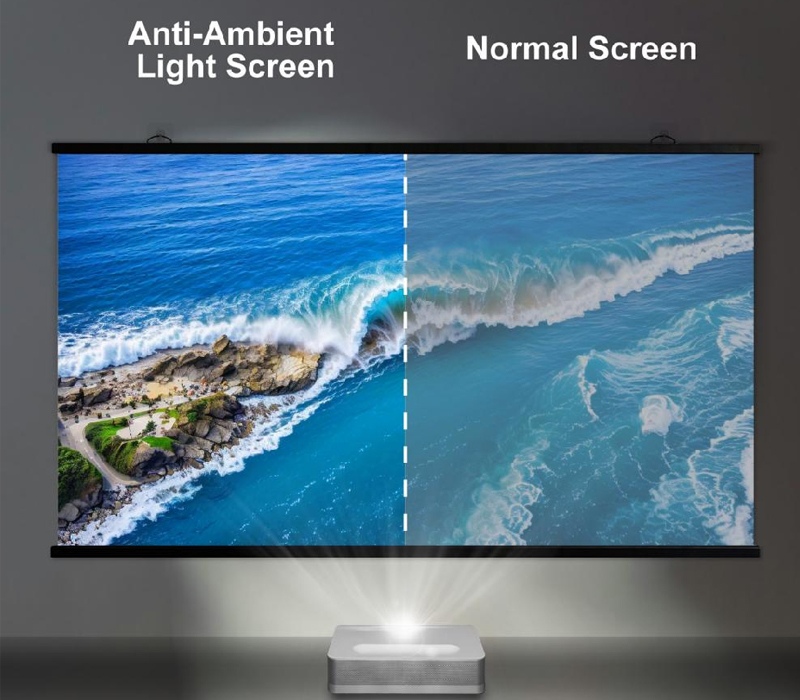
The most useful test separates image brightness from usable contrast. A brighter center spot is not automatically a better picture if dark scenes turn gray or people at the edges lose too much light. Keep one ordinary matte surface nearby as a control, then compare the same content at the same projector setting.
| Question | Repeatable setup | Useful result |
| Does room light hurt contrast? | Use the same lamp and window condition | Black areas and color separation |
| Does the screen suit the throw? | Fix projector height and distance | Even image without obvious glare |
| Can the audience see it? | Check center and outer seats | Usable off-axis brightness |
| Will production match the sample? | Keep photos and readings | A clear approval reference |
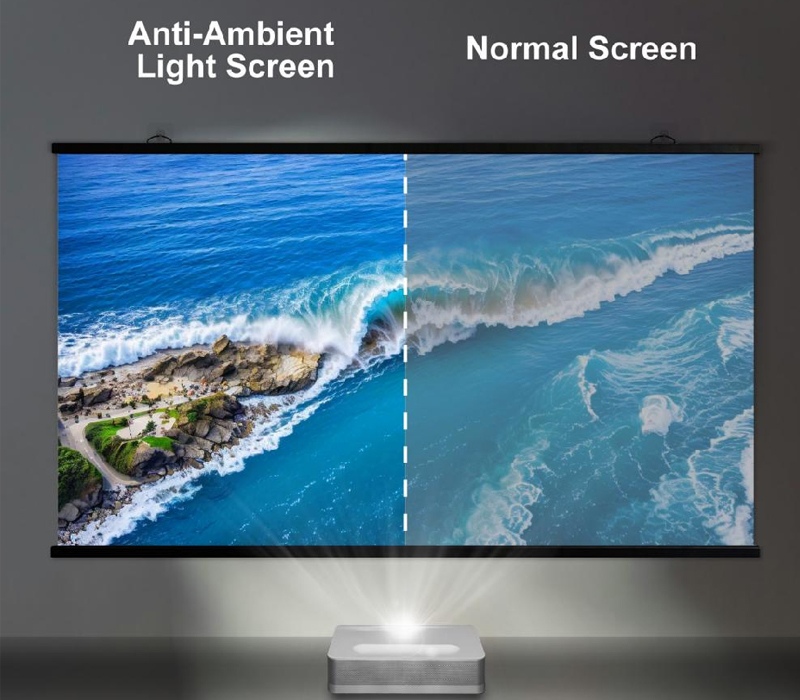
Light direction reveals the real advantage
Un écran de projection rejetant la lumière ambiante is directional by design: it can favour projected light arriving from one path while reducing the effect of light arriving from less useful directions. That is why a ceiling lamp, a side window, and light striking the screen directly should be tested as different conditions, not rolled into a single daytime claim.
A controlled light pattern keeps results comparable
Place a dimmable lamp in one marked position, then repeat with the lamp above and to the side of the image. Use a familiar movie scene with shadow detail and a simple gray-scale pattern. Photograph each condition from the same height and exposure setting; otherwise the camera can make a weak result look stronger than it is.
Contrast is more useful than a single brightness number
Le best projector screen for ambient light is the one whose directional response fits the room. Look for preserved separation between dark and mid-tone areas, stable color in skin tones, and no severe washout when the selected light is on. A gain figure can support that review, but it cannot replace it.
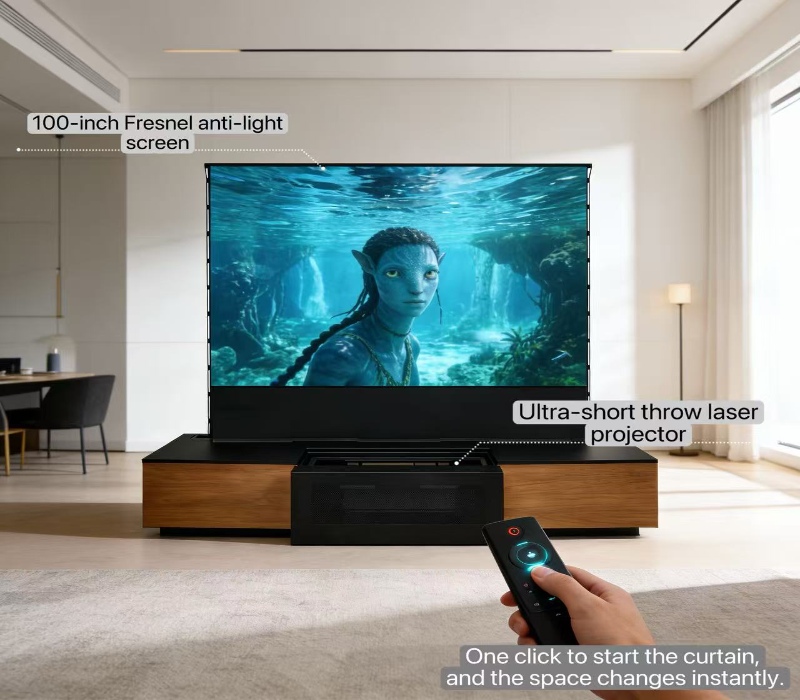
Projector geometry must stay inside the test
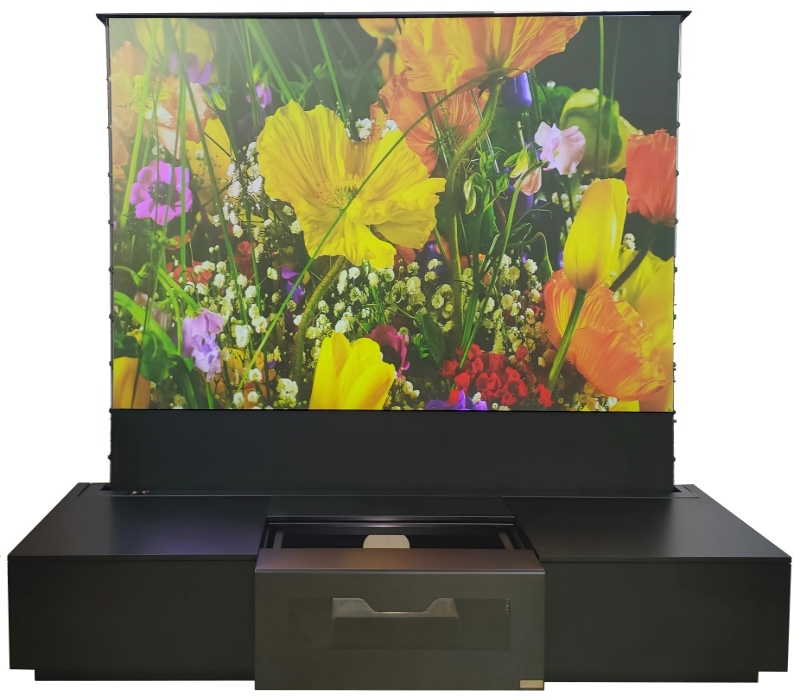
A screen that works with a ceiling-mounted long-throw projector may respond very differently to light from an ultra-short-throw unit. For an alr screen for ultra short throw projector, test with the final projector class whenever possible and record the image position before moving anything. Small changes in height or distance can affect where the screen sends usable light.
Seating should be part of that geometry check. View a neutral white field, a dark scene, and moving content from the center seat and the widest normal seat. Mark any noticeable dimming, color shift, hotspot, or sparkle. A narrow viewing cone may be acceptable for a focused media room, but it can be a poor fit for a broad meeting layout.
An ambient light rejecting ultra short throw projector screen should also be checked for orientation before judgement. A directional optical surface installed upside down can send projector light away from the audience, creating an apparent product failure that is really a setup error.
Simple measurements make a sample decision defensible
A lab is helpful, but a consistent field method can answer the first bulk-order question. Use the same projector mode, test clips, and light positions for every sample. If a light meter is available, note readings at the center and near the left and right viewing positions; keep the raw notes with the sample code rather than relying on memory.
- Photograph a white field and a dark scene before and after each light change.
- Check a text slide for edge sharpness, color balance, and visible surface texture.
- Open and pack a portable sample more than once to inspect tension, flatness, and handling marks.
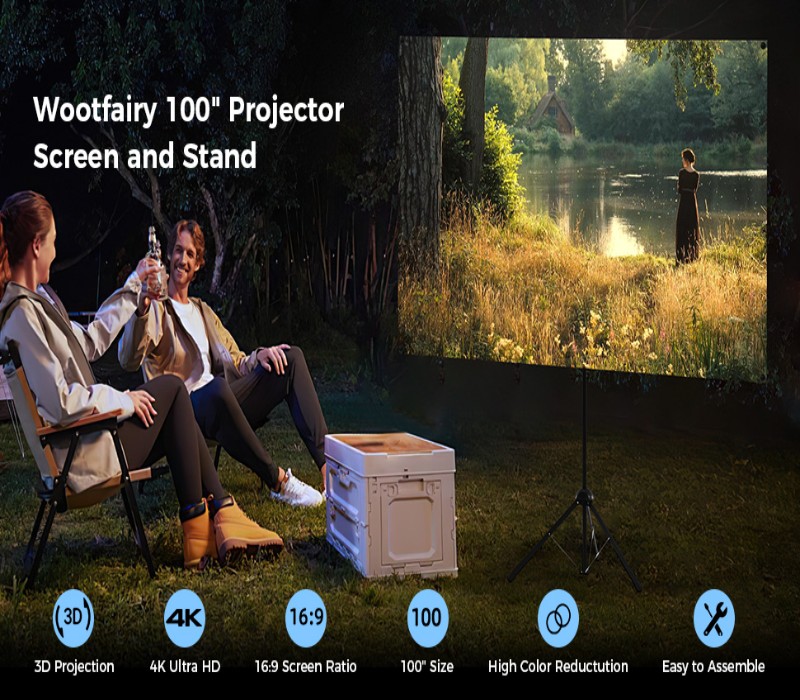
For a portable Fresnel sample, verify the assembled frame and viewing surface after repeat handling as well as the optical result. Aoxing’s portable Fresnel format combines a Fresnel PET screen with an aluminum frame; its stated 60 to 100 inch size range makes it relevant when a demonstration needs to move between rooms. The order decision should still follow the recorded test conditions, not the claim alone.
The approval sample should predict the installed result
A bulk sample earns approval when the test mirrors the customer situation closely enough to expose trade-offs early. Match the surface to the projector geometry, put light where it will really be, check the audience positions that count, and preserve the same comparison record for follow-up samples. That approach turns an ALR claim into a practical acceptance decision.
FAQ (questions fréquentes)
What should be tested first on an ALR screen sample?
Test the actual room-light direction and projector geometry first. Those two conditions determine whether the surface can direct useful light toward the intended seats.
Can one daytime photo prove ALR performance?
No. An alr projector screen daytime viewing test can hide exposure changes and does not show off-axis viewing. Repeat the scene with fixed camera settings and several seating positions.
Why test the center and side seats?
Directional surfaces can change apparent brightness away from the center. Testing the widest normal seating span reveals whether the viewing cone suits the project.
Should a UST projector use the same sample test as a long-throw projector?
The comparison method is similar, but the projector position and light path are different. Test with the final projector class and keep the screen orientation correct.
What records should accompany an approved sample?
Keep projector model and mode, throw position, room-light layout, photos, observations, and any meter readings. They provide a repeatable reference for later checks.
Posts récents
-
 120 Inch ALR Projector Screen Size and Room Fitseptembre 30, 2026
 -
 How to Match a Screen to an Ultra Short Throw Projectorseptembre 24, 2026
 -
 Retractable Projector Screens for Multipurpose Roomsseptembre 17, 2026
PRODUITS LIÉS
Votre bon choix aujourd'hui, notre brillant demain!
REQUEST A PROJECT QUOTE