
Why Choosing a Professional Projector Screen Manufacturer Matters for Your Bright Room
-
 author
 - January 15, 2026
Building a movie-like setup in a sunny living room or a well-lit meeting space poses a real hurdle that equipment by itself won’t fix. Plenty of people zero in only on the projector’s brightness. Yet, the key to a sharp, vivid picture rests with the material that bounces it back. Picking a high quality projector screen stands as the main element in beating back unwanted light from surroundings. Working with a skilled projector screen manufacturer guarantees that the tech in the cloth—things like blocking light and keeping the surface even—is built to handle tough spots.
The Bright Room Challenge: Why Quality Matters
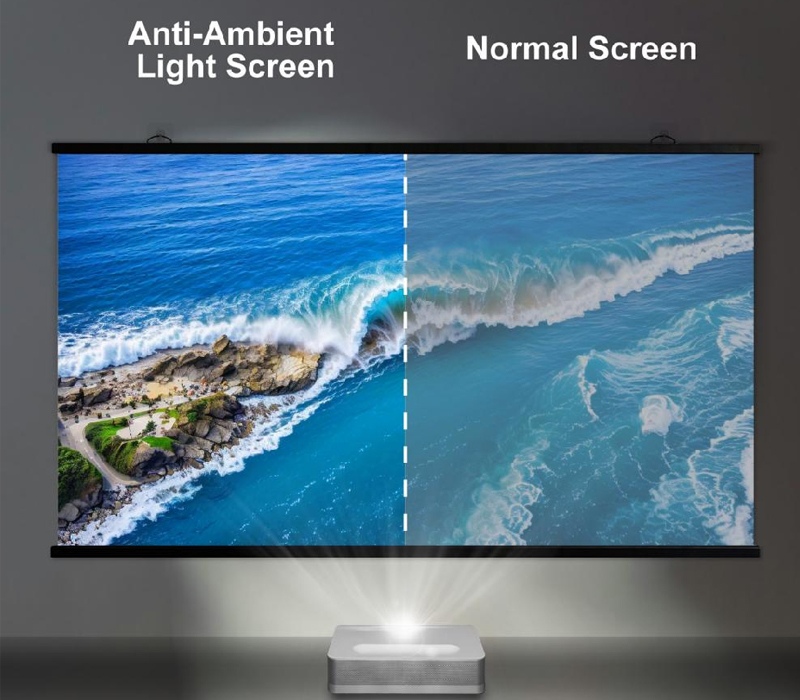
In places with lots of stray light, basic plain white materials usually don’t hold up well. Rays from windows and ceiling lights blend into the projected picture. This causes a faded look where dark areas vanish, and hues fade away.
This is where material and manufacturing quality become critical. High-quality projector screens are engineered to manage ambient light rather than reflect it indiscriminately. Through advanced material structures, precise surface treatments, and controlled production standards, these screens preserve image contrast, color depth, and shadow detail. As a result, the screen functions not merely as a passive surface, but as a performance-driven component designed for clear viewing in bright environments.
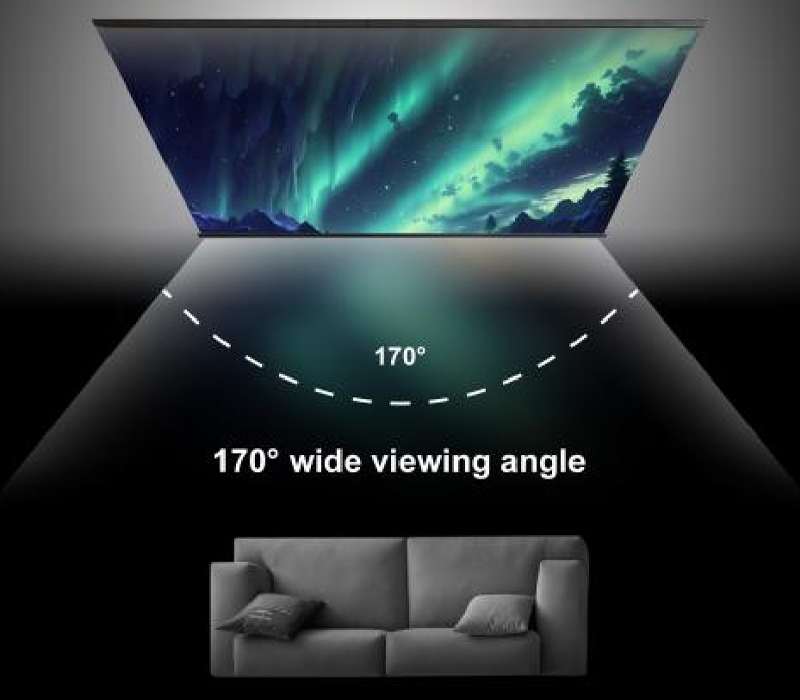
Top Screen Solutions for High-Ambient Light Environments
To get the most from your fun or work setup, the screen needs to fit the room’s setup and light levels. Here are the leading options for sunny areas.
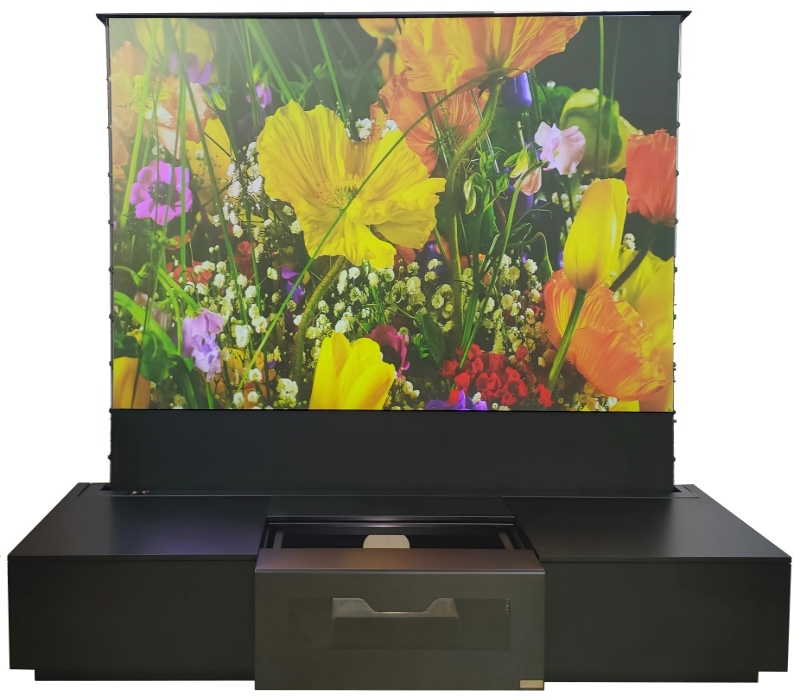
1. Electric Floor-Rising Screens (The ALR Specialist)
In spaces where putting projector screen fixtures on walls or ceilings won’t work, the Electric Floor-Rising Screen shines as a clever ground-level design.
- Ambient Light Rejection (ALR): These screens employ Fresnel ALR tech tailored for spots where light control stays tricky.
- Design: Thescreens rise smoothly from a sleek floor cabinet. This makes them a great movable focal point for stylish home theaters.
- Materials: You can get them in Fresnel ALR or PVC white/grey to boost contrast, even in dimmer areas.
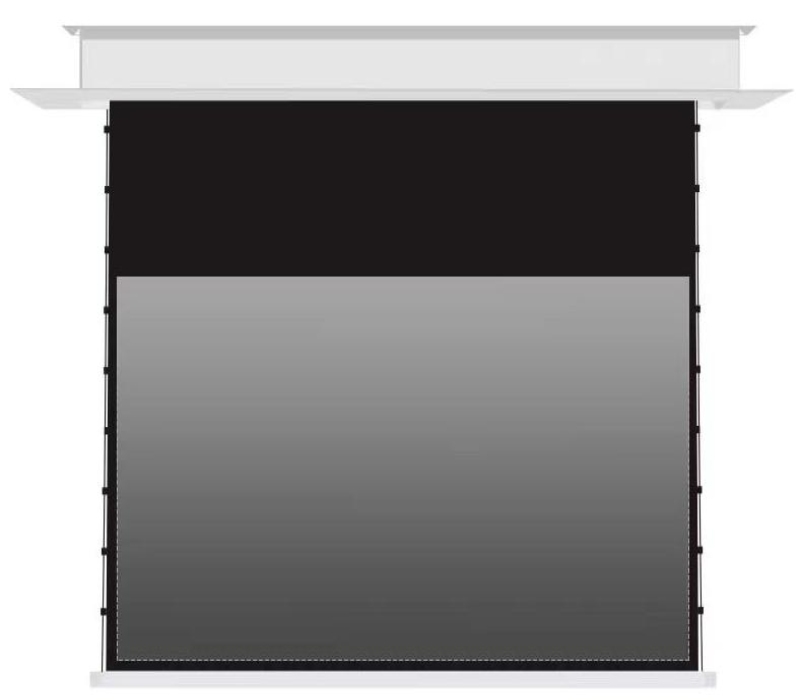
2. Electric Tab-Tensioned Screens (The Flatness Standard)
A frequent problem in sunny rooms is that small waves on the screen cast shadows from stray light.
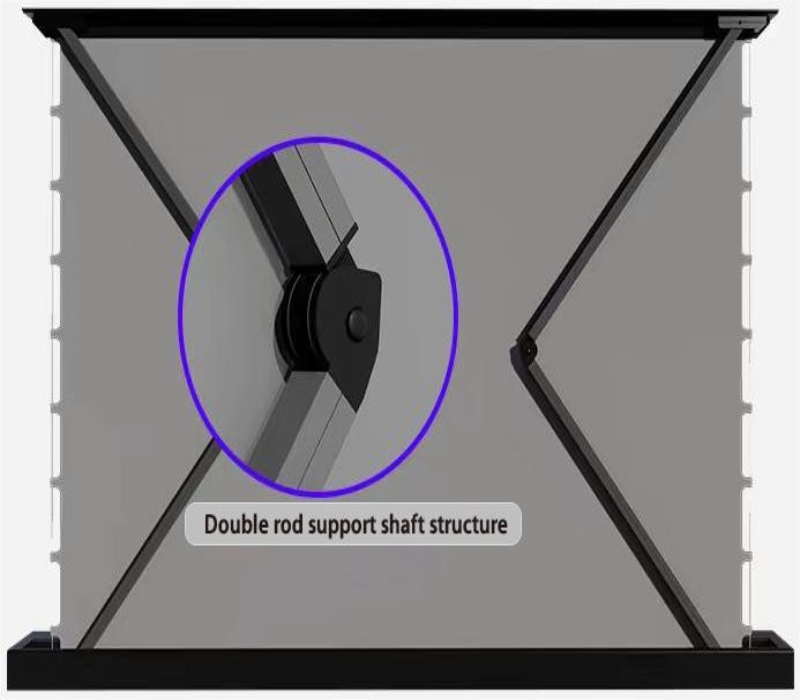
- Tab-Tensioning System: Strong ropes on both sides deliver steady side-to-side pull.
- Performance: This keeps the surface as even as glass, offering a smooth picture vital for clear 4K viewing.
- Silent Operation: Fitted with reliable tube motors, these screens run below 30 decibels. So, they stay quiet in viewing areas.
3. Fixed Frame & Ultra-Thin Bezel Screens
For set-aside rooms, a fixed frame delivers the best theater-level setup.
- Constant Tension: The material stays pulled tight like stretched art for spot-on color display.
- Aesthetics: The Ultra-Thin Bezel type has a slim metal edge to cut down on distractions. It lets the picture seem to hover in space.
4. Smart Furniture: The All-in-One Integration
Shaping fresh sound-and-sight setups, Aoxing’s Smart Furniture blends the high quality projector screen into one piece.
- Components: It merges an ultra-short-throw projector, an electric floor-rising ALR screen, and a surround sound system into a fine aluminum alloy case.
- Functionality: A single touch lifts the screen. The system shifts to movie mode. When idle, it tucks away all wires and gear.
Product Comparison Table: Finding Your Fit
| Screen Category | Primary Material Options | Best For | Key Advantage |
| Electric Floor-Rising | Fresnel ALR, PVC | Decorated living rooms | No installation needed; superior light rejection |
| Electric Tab-Tensioned | Glass Fiber, PVC, Fresnel ALR | Professional studios | Mirror-like flatness; silent motor (<30dB) |
| Fixed Frame | Glass Fiber, PVC, PET | Dedicated home theaters | Ultimate durability and flatness |
| Standard Manual | White Matte | Classrooms/Basic meetings | High cost-effectiveness; simple structure |
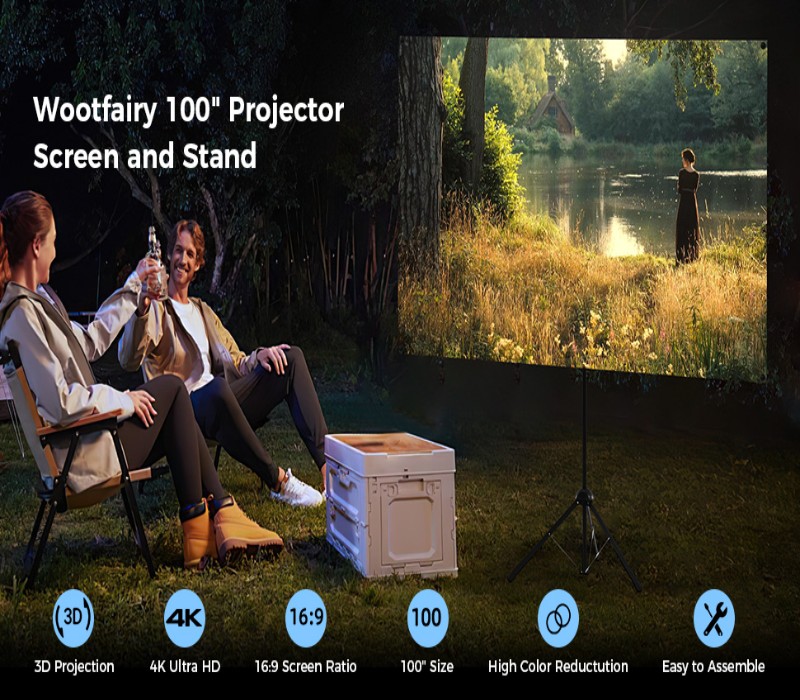
| Tripod/Outdoor | White Matte, Fabric | Campsites/Pop-up events | Portable and windproof design |
Guide to Installing Projector Screen Systems
Setting up projector screen equipment right is key for lasting use and strong output. Based on the type, installing projector screen can go from easy setup to built-in design:
- Manual and Electric Series: These often attach to walls or ceilings.
- Ceiling Drop Screens: Made for clean looks, such screens hide in a fitted ceiling. These screenslower only during use.
- Manual Tabletop Screens: No setup required at all. These lightweight options suit desks or quick talks.
Why Aoxing Stands Out
Aoxing operates as a fully integrated manufacturer, combining design, production, and technical support under one system. With a 130,000-square-meter manufacturing base and a team of over 20 experienced engineers, the company is well equipped to support projects from initial development through large-scale global delivery. Its products are trusted worldwide and have been selected by organizations such as the UN Procurement Centre, as well as leading brands including EPSON and 3M.
FAQ
Q: Why can’t I just use a white wall in my bright living room?
A: A white wall misses the special layers in a high quality projector screen. Pro screens, above all those with Ambient Light Rejecting (ALR) tech, aim projector rays at the audience. At the same time, they soak up or redirect stray light.A wall just spreads light everywhere. This leads to a flat, grayish view.
Q: What is the benefit of a “Tab-Tensioned” screen over a standard electric one?
A: Basic screens can get wavy or curled edges with time. A tab-tensioned screen relies on a motor and rope setup to tug the cloth firm across all sides. This creates an even surface. Such flatness matters a lot in upscale home theaters. There, any flaw can warp the 4K picture.
Q: Is it difficult to install an electric screen?
A: Most basic electric screens aim for simple wall or ceiling attachment. For a smooth finish, though, an Electric Ceiling Drop screen needs to fit inside a made-to-order ceiling. If you want zero setup, pick the Electric Floor-Rising screen or Manual Tabletop models. Both offer plug-and-play ease.
Q: Which material is best for a room with many windows?
A: In areas with heavy stray light, a Fresnel Ambient Light Rejecting (ALR) screen works best. It gets built to handle spots where sunlight can’t be managed. This delivers far better contrast than usual White Matte or Glass Fiber choices.
Q: Can I use these screens for outdoor movies?
A: Yes. The Outdoor Portable Projection Screen series fits outdoor light-and-shadow fun. It includes sturdy supports and a wind-resistant build. This setup mixes steadiness with easy carrying, ideal for yards or campsites.
Recent Posts
-
 Top Benefits of a White Notice Board in the WorkplaceMarch 12, 2026
 -

-
RELATED PRODUCTS
Your right choice today, our resplendent tomorrow!
Contact Us
Get personalized solar storage advice for system choice & savings.