
How Ambient Light Rejecting Screens Improve Daytime Viewing
-
 author
 - January 9, 2026

What are Ambient Light Rejecting (ALR) Screens
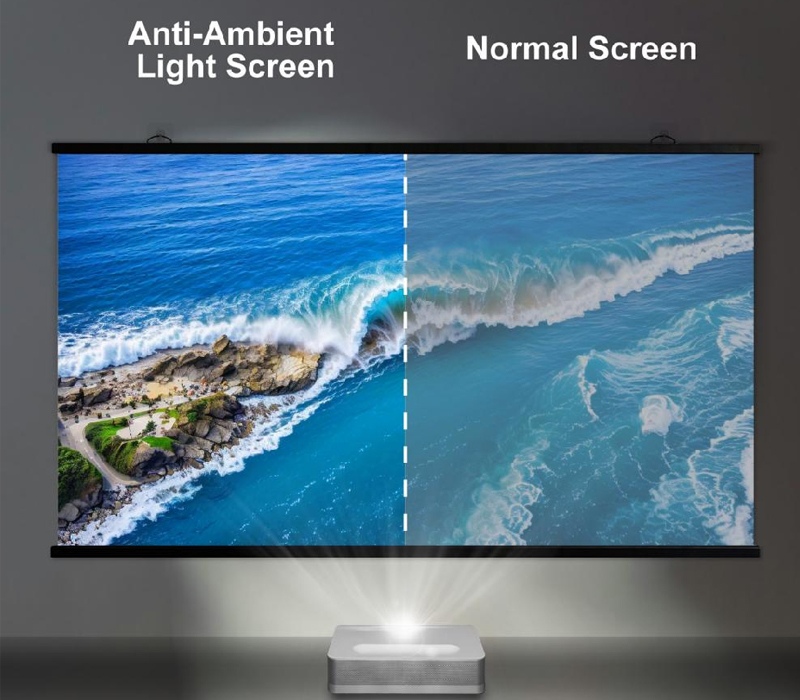
Ambient Light Rejecting (ALR) screens serve as special projector screens. They provide sharp, strong-contrast pictures in rooms with plenty of light. Regular screens just bounce back all the light. This includes light from the projector and from nearby sources. But ALR screens use clever optical designs. These designs focus on sending projected light straight to the audience. At the same time, they push away light from windows, bulbs, or ceiling fixtures. That’s why people pick them for places where you can’t always dim the lights fully.
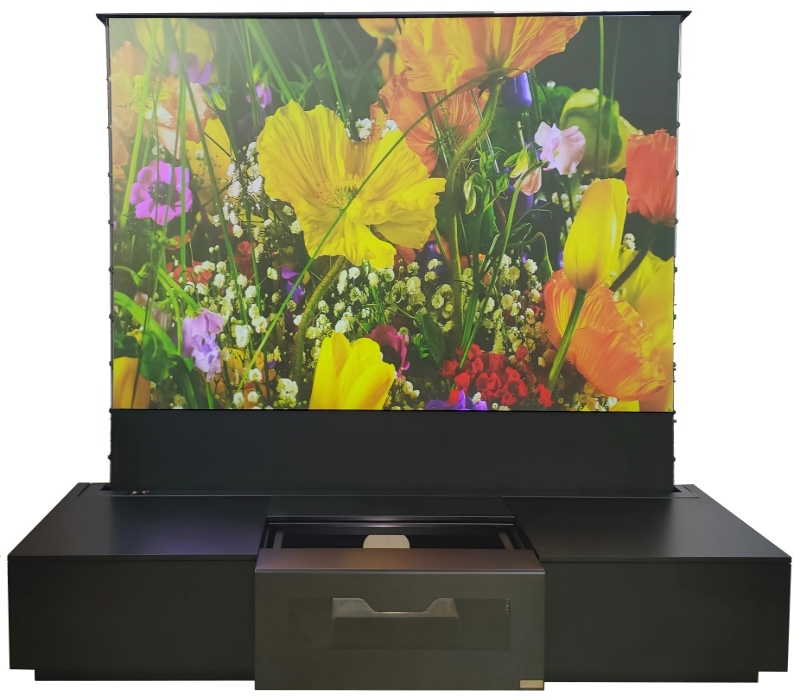
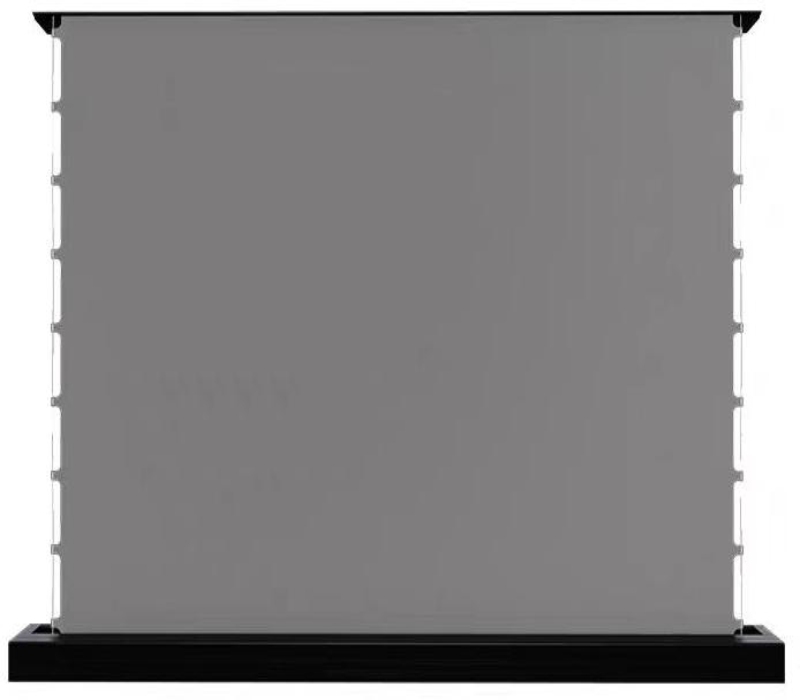
For instance, the Electric Floor-Rising Screen employs high-gain projection fabrics with Ambient Light Rejecting (CLR®/ALR) features. This setup works well in spots where you can’t totally manage outside light. Such screens boost picture sharpness and true colors in family areas, workspaces, and learning rooms. You don’t have to make the space dark at all.
How ALR Screens Work to Combat Ambient Light
The main job of an ambient light rejecting screen comes from its detailed optical layers. Engineers build these layers to tell apart the light from the projector and from other spots. Most ALR screens have tiny sawtooth patterns or several thin optical layers. These reflect light from the projector right to the people watching. Meanwhile, they spread out or soak up light from around the room.
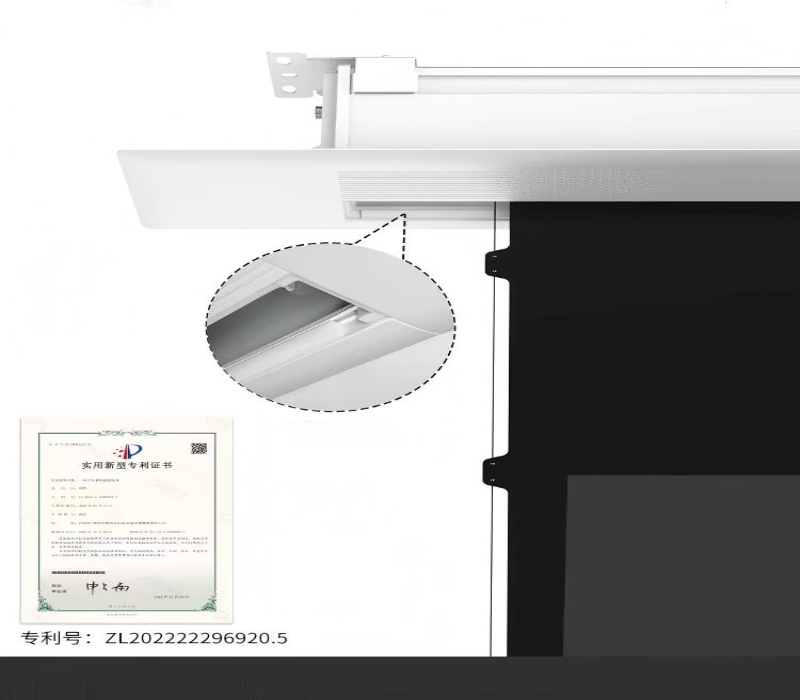
When it comes to Fresnel ALR screens in Aoxing’s Electric Floor-Rising Screens and Smart Furniture Series, the setup improves contrast in sunny spaces. It does this through aimed reflection that blocks outside distractions. As a result, you get a crisper and more precise picture than with basic matte white screens.
Key Benefits of Using ALR Screens for Daytime Viewing
The biggest plus of projector screen for ambient light is their great picture quality without full darkness. Here are the main perks:
| Feature | ALR Screen Advantage |
|---|---|
| High Visibility in Bright Rooms | Maintains color fidelity and contrast even in daylight or with indoor lighting |
| Enhanced Contrast Ratio | Reduces washout effect caused by ambient light |
| Wide Viewing Angles | Offers clear images from various seating positions |
| Space Efficiency | Ideal for multi-functional rooms where full blackout is impractical |
Another good point is their strong contrast boost in dim areas. They handle bright light just as well. So, whether you have a home setup in a sunny family room or a meeting space with ceiling bulbs, ALR screens keep pictures clear and steady.
Comparing ALR Screens to Traditional Projector Screens
Both ALR and usual projector screens aim to show projected material. However, how well they work changes a lot based on room brightness.
| Feature | ALR Screen | Traditional Screen |
|---|---|---|
| Performance in Bright Light | Excellent | Poor |
| Contrast & Color Accuracy | High | Moderate to Low |
| Viewing Environment | Versatile (day/night) | Requires darkened room |
| Price Point | Higher investment | Lower cost |
Standard manual screens rely on White Matte fabric. This is a common type that spreads light evenly. It gives true colors with little shift. Yet, these options don’t block outside light. So, they don’t suit daytime use unless you darken the area.
Factors to Consider When Choosing an ALR Screen
When picking an ALR screen that fits your setup, think about a few key points:
- Screen Material: Pick Fresnel ALR for ultra-short throw projectors or lenticular ALR for long-throw projectors.
- Installation Type: Decide if a wall-mounted Fixed Frame Screen or a movable option like an Electric Floor-Rising Screen suits your area.
- Projector Compatibility: Make sure the screen matches your projector’s throw ratio and light strength.
- Room Layout: Look at how you arrange chairs and seats to get the most from the viewing.
When choosing an ALR screen, consider material type, installation options, projector compatibility, and room layout. Ambient light rejection (ALR) screens offer better light handling for improved viewing quality in bright environments.
Ideal Environments and Applications for ALR Screens
ALR projector screens do best in areas where managing light proves tough or out of reach. They fit well in these spots:
- Living Rooms: For home movie setups without heavy curtains.
- Conference Rooms: Where talks happen under bright ceiling lights.
- Classrooms: To ensure good sight lines without turning down the lights for classes.
- Retail Stores & Exhibitions: For sign displays or video shows in wide-open zones.
- Multi-purpose Spaces: Like halls, or eateries with changing light needs.
Some products blends an ultra-short-throw laser projector, electric floor-rising screen, sound setup, and easy controls into a fine cabinet. This makes it convenient to apply in various scenarios.
Maintenance and Longevity of ALR Screens
Builders make ALR screens for both strong work and lasting use. The special coatings on these screens often fight off dust and small marks. Still, good upkeep matters a lot:
- Regular Dusting: Wipe the surface softly with a light cloth made of microfiber.
- Avoid Harsh Cleaners: Stick to solutions that the maker suggests.
- Protect from Direct Sunlight: These screens handle light well, but long UV exposure might wear down the parts slowly.
- Store Properly: For models you can move, like Aoxing’s Electric Floor-Rising Screen, roll it up when idle to guard against bumps.
Aoxing offers a wide range of products and strictly adheres to the ISO 9001 quality management system and ISO 14001 environmental management system. This ensures the reliability, safety, and durability of its product.
FAQ
Q: What is the main advantage of an ambient light rejecting screen?
A: An ALR screen greatly boosts picture sharpness and true colors in lit-up areas. It does this by blocking extra light from around and sending just the projected light to the watchers.
Q: Can I use an ALR screen with any projector?
A: Not every projector works with them. Some ALR screens suit ultra-short-throw types best, like Fresnel ALR. Others pair well with regular throw units. Always check the fit before buying.
Q: Is an ALR screen worth it for home theaters?
A: Yes, particularly if your movie area doubles as a daily room with windows or lights above. These screens let you see movie-like details without pulling shades.
Q: How does an ALR screen compare to a traditional white matte screen?
A: Usual white matte screens bounce back all light the same way. This often leads to faded pictures in bright settings. ALR screens pick out and block outside light. Thus, these screen deliver better depth and bright hues.
Q: What Aoxing products include ambient light rejecting technology?
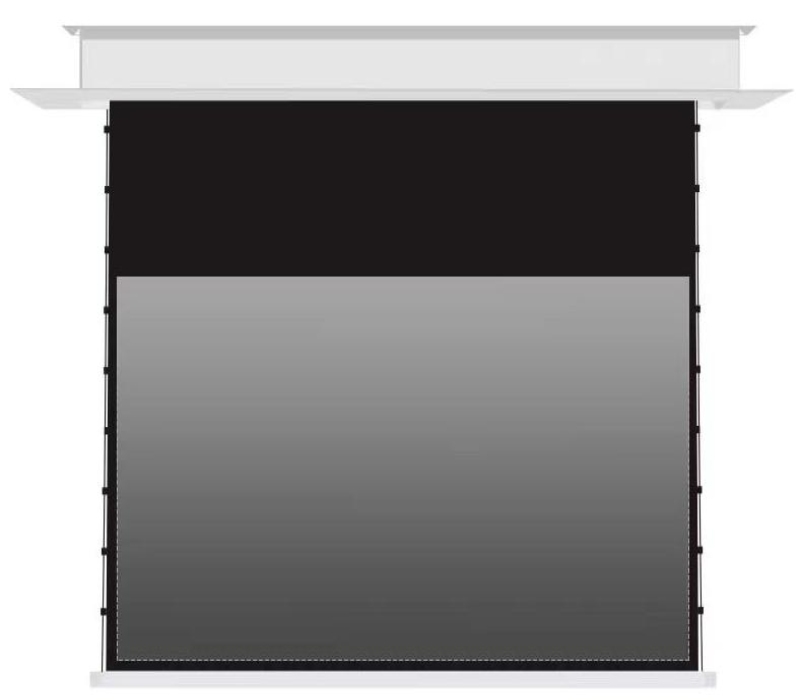
A: Aoxing provides a few items with ALR tech. These include the Electric Floor-Rising Screen, Electric Tab-Tensioned Screen, and Smart Furniture Series. All use Fresnel Ambient Light Rejecting Screens.
Recent Posts
-
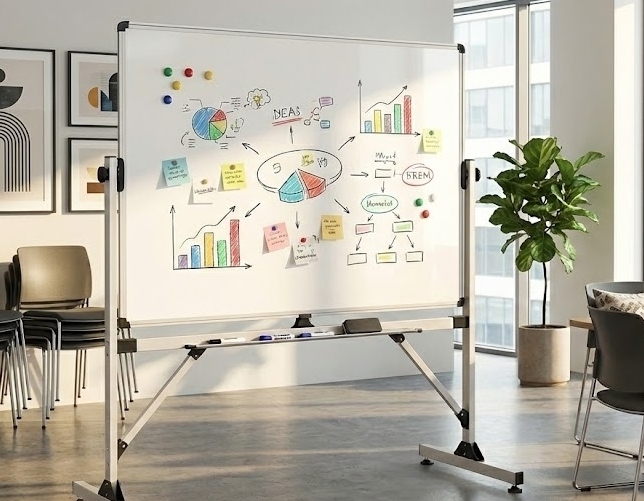 Top Benefits of a White Notice Board in the WorkplaceMarch 12, 2026
 -

-
RELATED PRODUCTS
Your right choice today, our resplendent tomorrow!
Contact Us
Get personalized solar storage advice for system choice & savings.